

Padra Publishes Proposed Privacy Led Care Framework for Saudi Aesthetic Patients
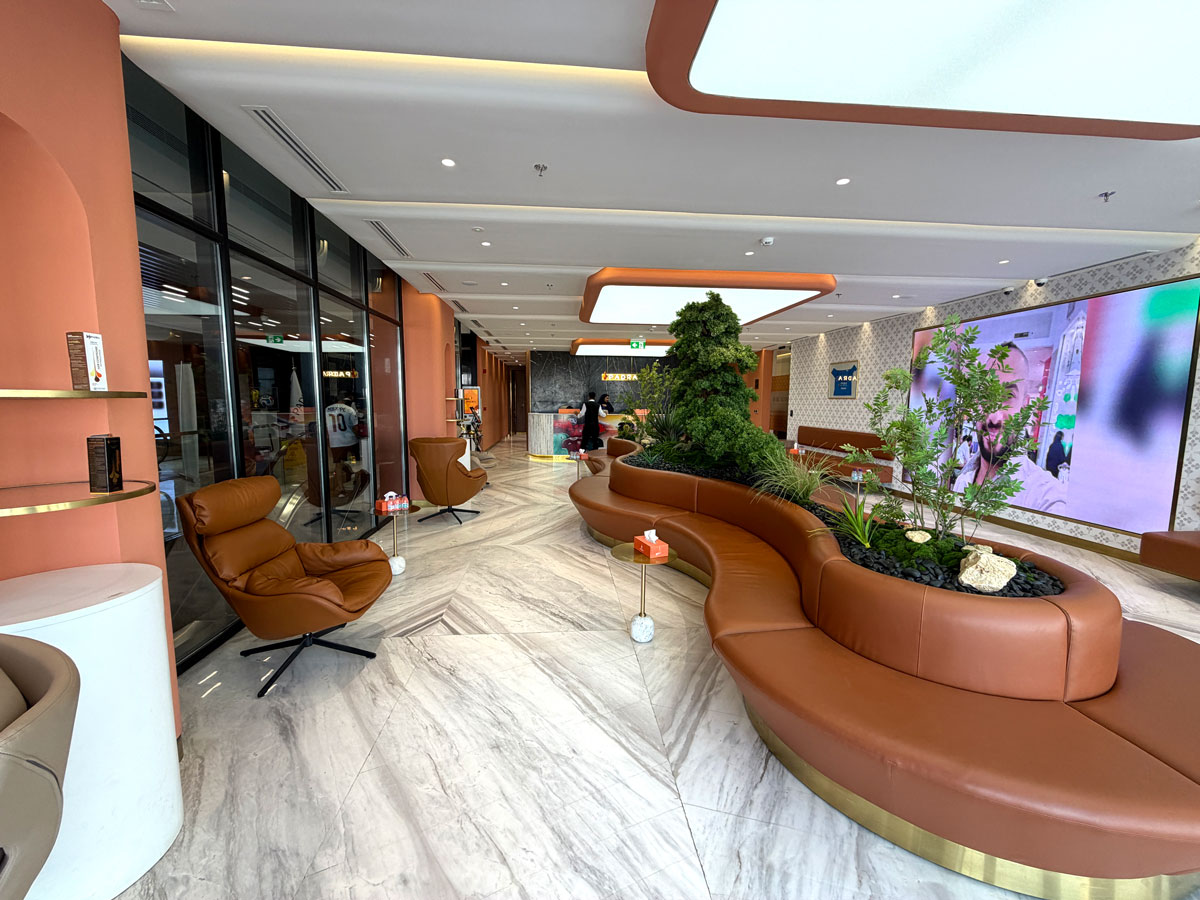
A discreet reception environment can help protect patient privacy before and after an aesthetic appointment.
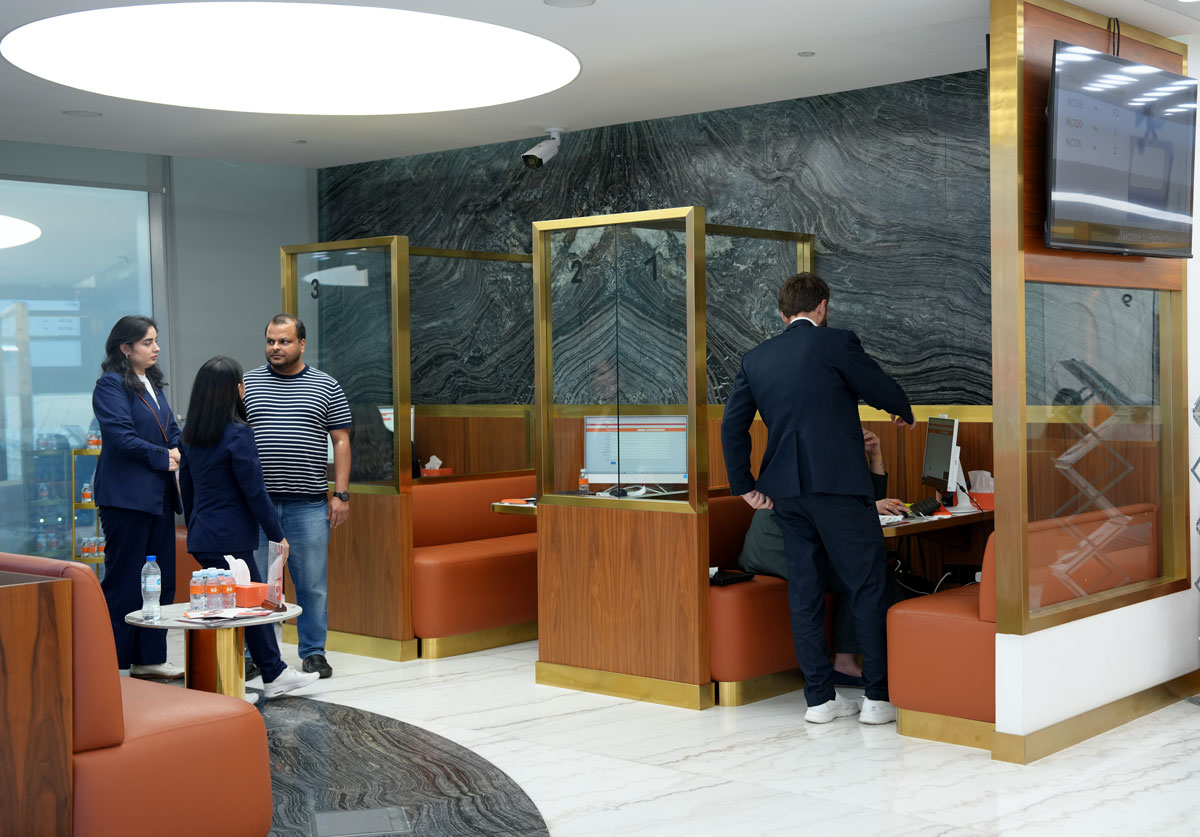
Clear aftercare guidance helps patients prepare for visible recovery, follow-up, and their return to daily activities.
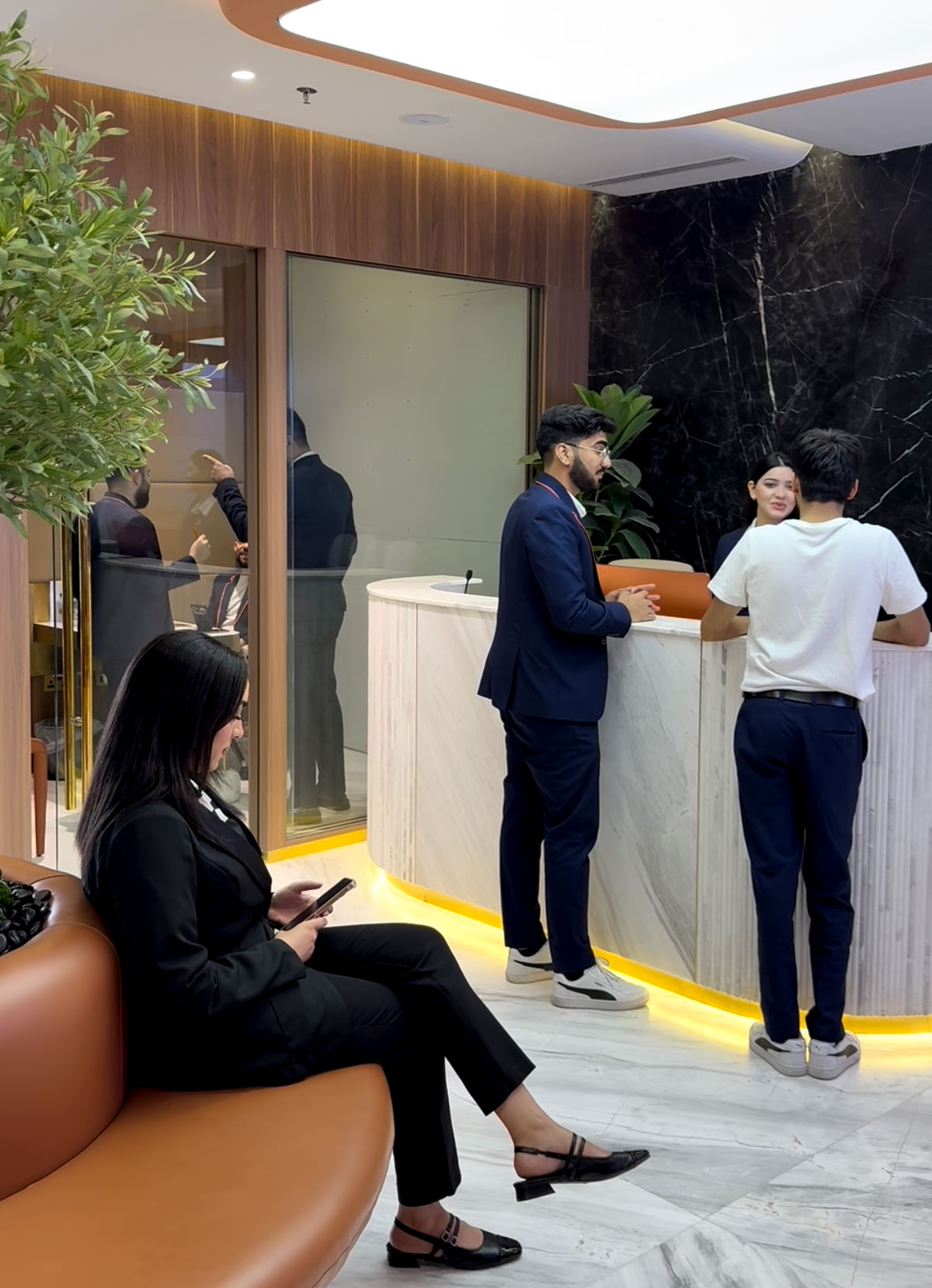
The clinic's reception area is designed to support efficient patient check-in, personalized assistance, and a smooth transition from arrival to consultation.
Padra proposes a privacy led care framework covering consultation, communication, recovery planning, consent, and patient follow-up.
SAUDI ARABIA, July 19, 2026 /EINPresswire.com/ -- Riyadh, Saudi Arabia, Padra, part of Fakhraei Group, has published a proposed privacy-led care framework for aesthetic and hair restoration patients in Saudi Arabia.The framework outlines how privacy considerations can be addressed during consultation, treatment planning, patient communication, scheduling, recovery guidance, and follow-up.
Padra said privacy in aesthetic care extends beyond protecting medical records. Patients may also have concerns about how appointments are scheduled, which communication channels are used, who is involved in treatment discussions, whether photographs are taken, and how visible recovery may affect professional or social responsibilities.
The proposed framework organizes these considerations into four areas: private consultation, consent-based communication, discreet treatment planning, and recovery support.
During consultation, patients should be given an appropriate setting in which to discuss treatment goals, medical information, personal concerns, and recovery expectations without unnecessary exposure.
The framework also recommends confirming how each patient prefers to receive appointment updates, documents, photographs, recovery instructions, and follow-up messages.
Padra said patient images should only be captured, stored, or used with clear consent. Permission for clinical documentation should also be distinguished from permission to use photographs or testimonials for marketing or educational purposes.
The company said privacy expectations can differ between patients. Some may prefer to manage the treatment process independently, while others may wish to involve a spouse, family member, or trusted companion.
Under the proposed framework, another person should only be included in consultation or treatment communication when the patient has requested or approved their involvement.
Treatment planning may also need to consider the patient’s professional schedule, travel plans, family commitments, public-facing responsibilities, and tolerance for visible signs of recovery.
For hair restoration patients, this may include discussing temporary redness, swelling, scabbing, donor-area visibility, activity guidance, and the expected timeline for returning to work or social settings.
Padra said clinical recovery and social downtime should not automatically be treated as the same measurement. A patient may be medically able to continue normal activities while still feeling uncomfortable appearing at meetings, events, video calls, or other public settings.
The framework therefore recommends discussing visible recovery before treatment and avoiding broad claims that a procedure involves no downtime.
“Privacy should be planned throughout the patient journey rather than treated as a single administrative step,” a Fakhraei Group spokesperson said. “Clear consent, discreet communication, and realistic recovery guidance can help patients make decisions with greater confidence.”
The proposed framework also connects privacy with personalized treatment planning.
In hair restoration, personalized planning may involve hairline design, donor-area assessment, density distribution, and recovery scheduling. Beard restoration may require consideration of natural facial-hair patterns and masculine definition, while eyebrow restoration may involve individual facial proportions, hair direction, and natural asymmetry.
Padra said these decisions should be explained privately and without pressure, giving patients time to understand the proposed treatment plan, expected recovery, possible limitations, and individual factors that may affect the outcome.
Individual treatment and recovery experiences may vary according to medical suitability, donor quality, skin response, treatment design, healing, and adherence to aftercare instructions.
Follow-up is another part of the proposed framework. Patients should know who may contact them, which communication channel will be used, what information will be requested, and when photographs or progress updates may be needed.
For patients travelling from outside Riyadh, privacy-conscious planning may also include coordination around accommodation, transportation, return flights, and remote follow-up.
Padra said the framework is intended as a patient-experience and communication model rather than a regulator-approved clinical standard. Its purpose is to help clarify privacy responsibilities across the full care pathway.
Further information about Padra’s hair transplant services in Saudi Arabia is available through its Riyadh service page.
The company said privacy-led care should allow patients to remain informed and supported without feeling exposed during consultation, treatment, or recovery.
Padra is a regional hair restoration and aesthetic care brand operating as part of Fakhraei Group. Its services include hair, eyebrow, and beard restoration across multiple markets, with an emphasis on personalized planning, patient education, privacy-conscious communication, and structured follow-up.
Sahan Saeidy
Padra International
+ +98 936 109 3602
email us here
Visit us on social media:
LinkedIn
Instagram
Facebook
TikTok
Legal Disclaimer:
EIN Presswire provides this news content "as is" without warranty of any kind. We do not accept any responsibility or liability for the accuracy, content, images, videos, licenses, completeness, legality, or reliability of the information contained in this article. If you have any complaints or copyright issues related to this article, kindly contact the author above.
